
Auglaize County Criminal Docket Searches
Begin at the county's Public Access Records page. It splits CourtView eServices into three routes: Common Pleas, Municipal, and Juvenile/Probate. Felony cases go through the Common Pleas route. For misdemeanor criminal cases, the Municipal CourtView route is the usual door. Keep in mind that a juvenile matter never becomes a Municipal criminal record. Alleged conduct that looks like an adult offense does not change that.
If a notice or court paper gives you a case number, use it exactly. County guidance for name searches asks for at least the first three letters of the surname plus a first initial. Spelling variations help. Before trusting a result, confirm the division, caption, year, and case type. All of them must match the case you meant.
- Choose the CourtView portal for the named court.
- Enter the exact case number first, if it is known.
- Use the surname fragment and first initial only when needed.
- Read the register of actions in date order and note the next setting.
- Ask the clerk for an official or certified copy when the record must be confirmed.
Auglaize Felony Docket Route
Felony charges in Auglaize County go to the Common Pleas General Division, not Municipal Court. The felony docket is therefore a separate search path. It sits apart from the criminal docket at the Municipal level. The elected Clerk of Courts keeps records for both courts. Still, use the Common Pleas portal for a felony case lookup. Keep the court name from your notice in view when the docket search returns similar names.
The county's General Division page lays out the criminal and civil work. It describes the Common Pleas court.
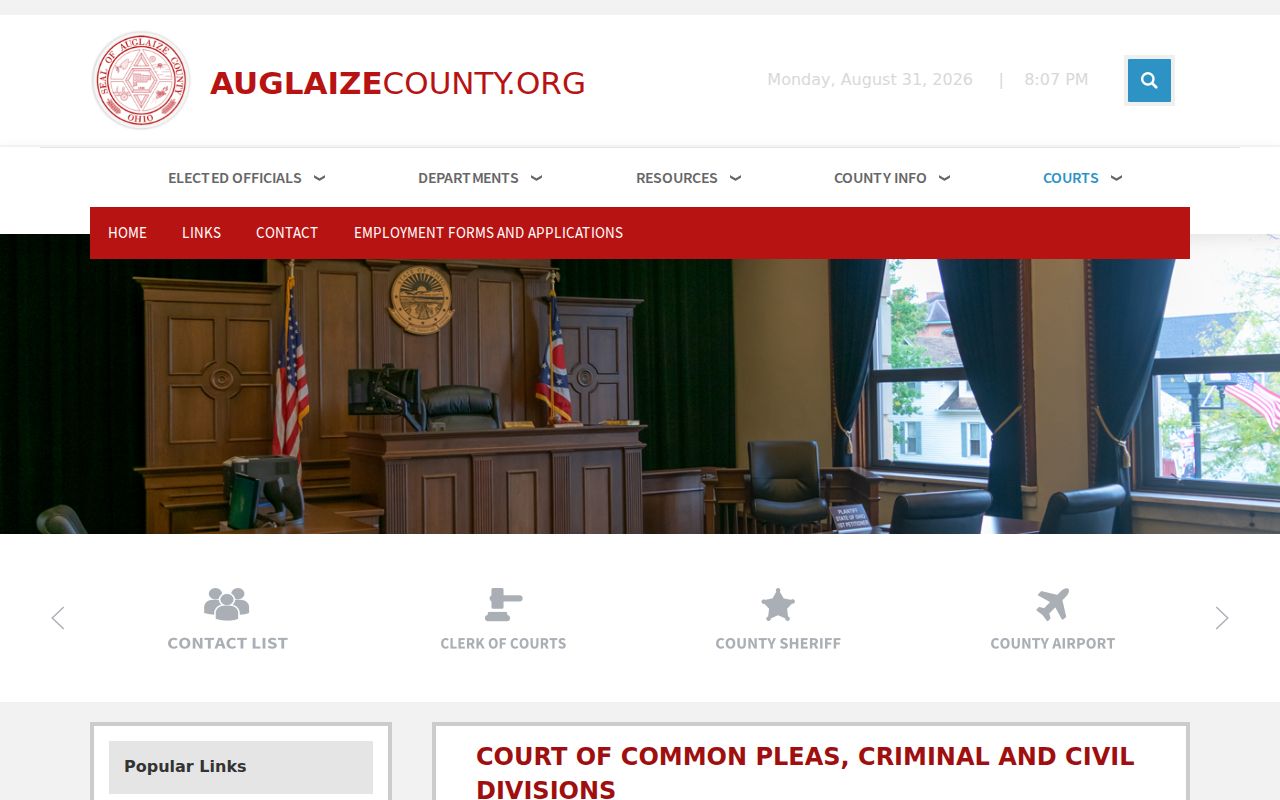
That division distinction keeps a felony docket lookup from landing in the Municipal docket by mistake.
Criminal Dockets: What They Show
An Auglaize criminal case docket, sometimes called a register of actions, is a chronological index. It may list a complaint or indictment, hearing settings, motions, orders, plea entries, a disposition, and later financial or post-judgment activity. Every entry has limits, though. A charge is only an allegation. A filed motion has not been granted. A hearing date on the calendar proves nothing about whether the hearing happened or how the court ruled.
| Case number | Use the exact number from the notice. Local payment examples include 2019CR0051, but examples are not a universal format rule. |
|---|---|
| Initiating entry | Complaint, indictment, or citation identifies the court filing that begins the matter. |
| Setting | Arraignment, pretrial, hearing, or trial is a scheduled event, not a result. |
| Entry or order | A judicial or clerk action. Read the actual text when it is available. |
| Disposition | May record a dismissal, plea-related action, sentence, or other outcome without resolving later obligations. |
Auglaize Criminal Docket Acceptance
CourtView eServices does more than search. The county set a start date for portal e-filing. It took effect April 30, 2026. The older clerk e-mail filing addresses were disabled on May 29, 2026. Sending a document to those old addresses is not a current filing method.
Local e-filing rules draw a clear line between transmission and filing. Nothing becomes a filed, docketed entry on its own. The clerk must review and accept it first. That lag explains a common gap. A submission delivered properly to CourtView can still be missing from the public docket. Common Pleas CourtView eServices is the official portal for that division.
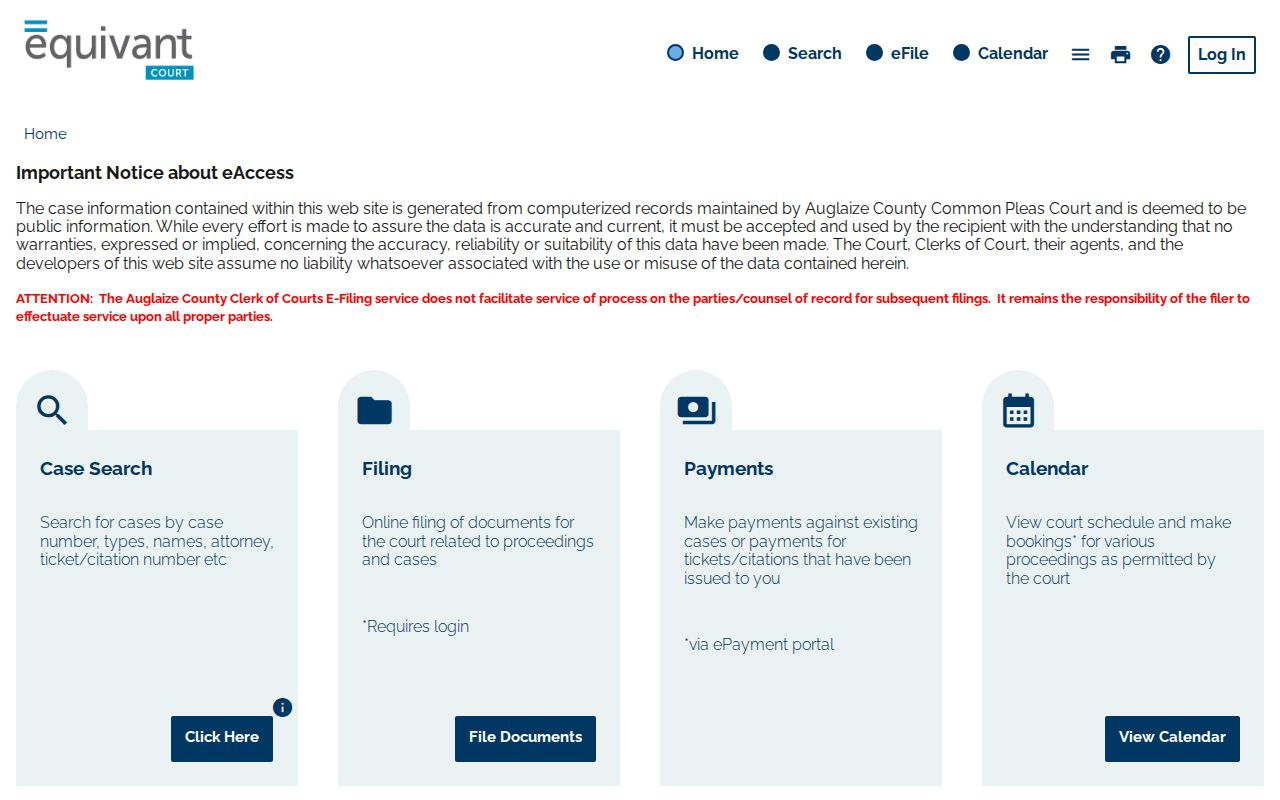
The portal's public configuration enables case search, calendar, e-filing, and payment functions. An enabled function still does not guarantee access to every case image.
Criminal Case Stages on the Docket
Not every criminal case moves the same way. The docket tends to preserve the sequence. Charging or filing material comes first, then arraignment and later settings. From there the record may show pretrial activity, motions, a plea, or a trial setting. Later it may hold a disposition, sentencing, and then compliance or payment events. Read each label the way the court uses it. A short status line rarely tells the whole story.
Docket flow: Filing → Arraignment → Pretrial → Plea or Trial → Disposition → Sentencing.
A disposition does not close every later docket issue. An appeal opens a separate Third District record, while probation, collection, and other post-judgment events can stay active in the trial-court case.
Auglaize Criminal Docket History Limits
The county's online-access notice carries a specific warning. It concerns older records. Common Pleas entries before February 1, 2000 may not be online. The Municipal portal has gaps too. Municipal traffic and criminal records before October 1, 1993 may be missing there as well. A failed online search does not mean no case existed.
Visit the Clerk of Courts public counter. It sits in Room 043 at the courthouse. The Common Pleas e-filing rules describe a public terminal there during regular business hours. For an older file or an unavailable image, gather the court, the approximate year, the case number, and the document you want. Do this before contacting the right clerk division. The Common Pleas CourtView public configuration documents the portal's public functions.
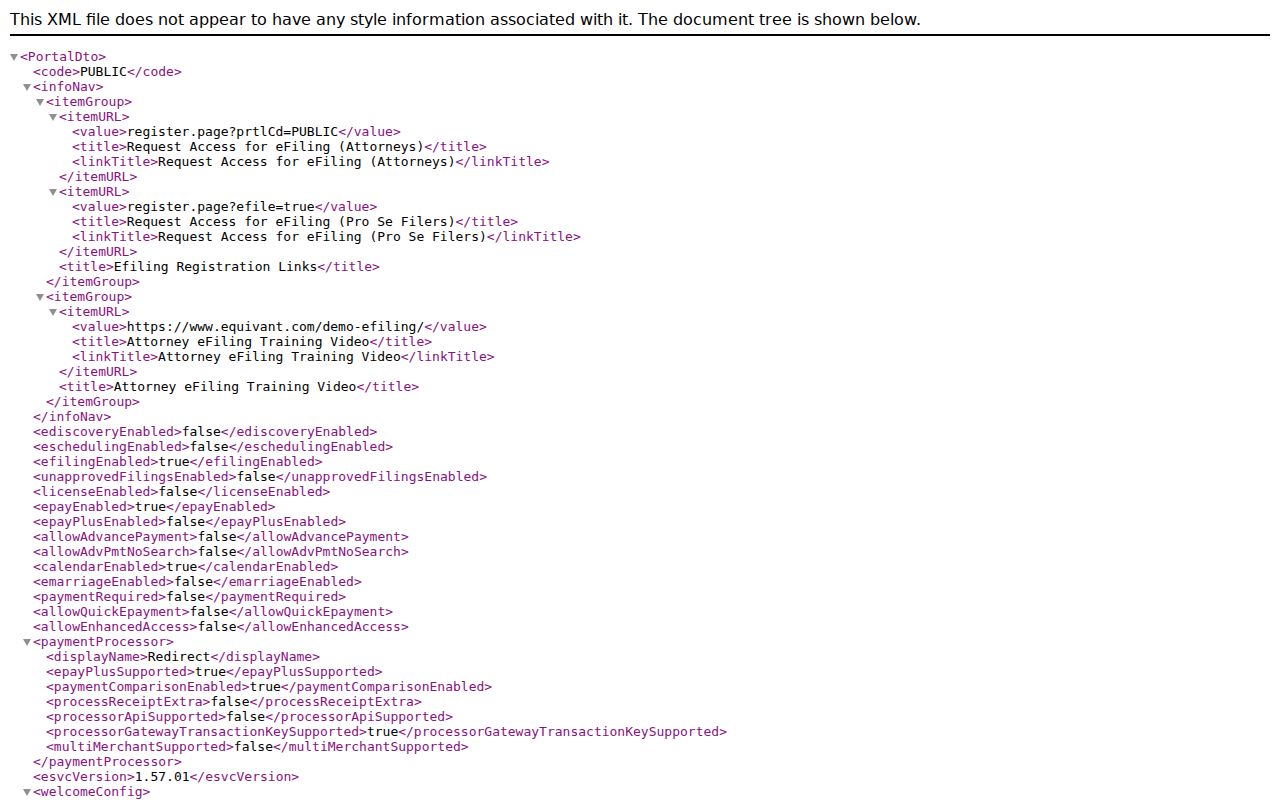
That configuration helps you pick a search route. The clerk remains the fallback for historical files and document-specific work.
Auglaize County Criminal Docket Courts
The county's felony criminal docket belongs to the Common Pleas General Division. The Auglaize County Municipal Court handles misdemeanor criminal and traffic matters. Those fall within its jurisdiction. Ohio law sets up the Municipal Court and fixes its county territory. Even so, one starting point works best. Use the court named on the charging paper for any particular Auglaize County criminal docket search.
| Case path | Primary docket route | Important limit |
|---|---|---|
| Felony prosecution | Common Pleas CourtView | Older Common Pleas records may be missing online. |
| Misdemeanor criminal case | Municipal CourtView | Use the Municipal clerk for record questions. |
| Juvenile delinquency matter | Juvenile/Probate CourtView | Different confidentiality rules apply. |
Ohio Revised Code 1901.02 is the statutory source for the county Municipal Court.
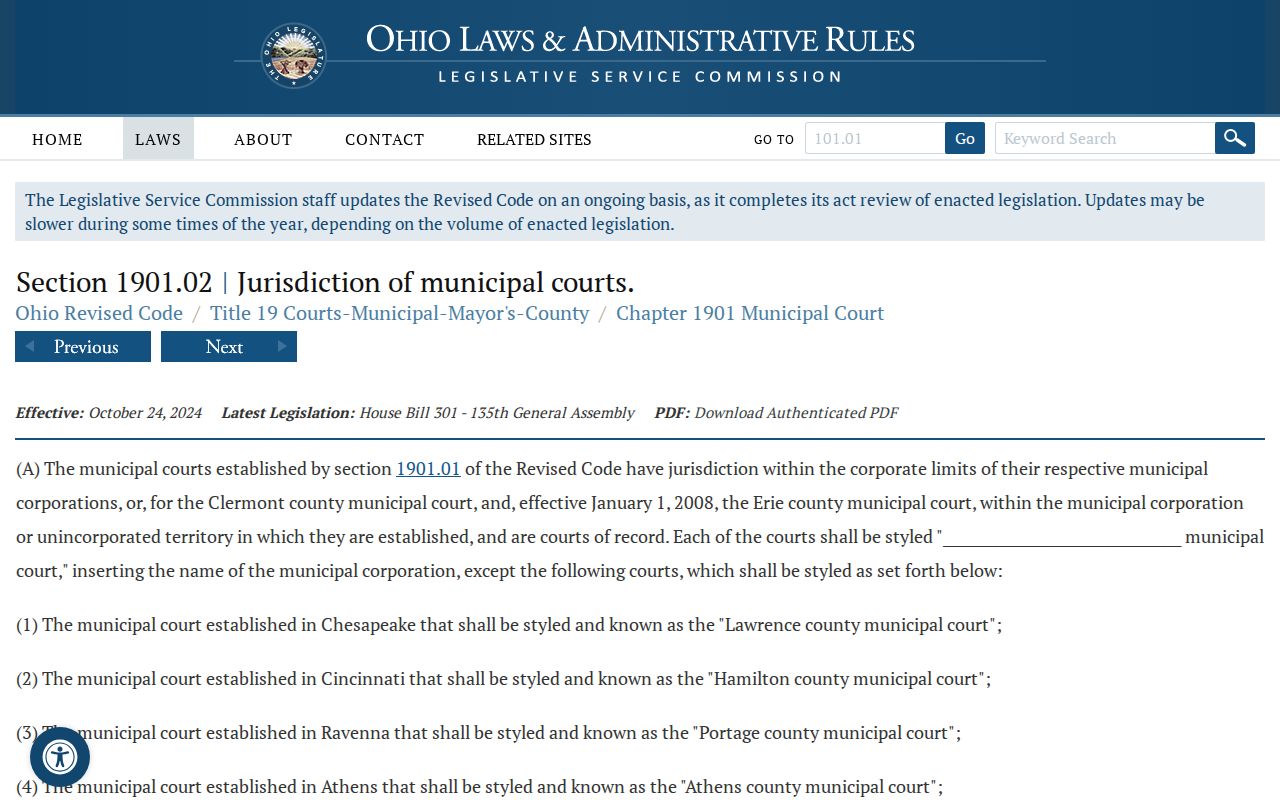
This statutory structure is why an Auglaize criminal docket search starts with case type and court, not one statewide database.
Auglaize Criminal Docket Payments
The Auglaize County Clerk accepts some criminal payments over the web. The online-payment page covers court costs, fines, restitution, and certain probation-fee setups in identified Common Pleas cases. That is an administrative convenience. It does not mean every balance can be paid remotely. Paying online does not close the case, and a required appearance still stands.
Need a current balance? Ask the clerk or the court keeping the case. Whether the question is compliance, installments, or a copy of a sentencing document, that office can answer it. The Auglaize County criminal docket may list a financial event. Still, what shows on screen can be incomplete or out of date.
Auglaize Criminal Images Need Verification
A docket entry and the document behind it are not the same thing. County materials describe planned CourtView images. They cover some civil, criminal, and domestic filings dated on or after April 6, 2023. Yet a November 15, 2024 technical notice says document images were unavailable. The Clerk FAQ is blunt. Dockets are online, images are not. Nothing here promises a particular criminal filing will appear.
So check the live portal first when the actual paper matters. If it is not there, go to the clerk. Give the court, the case number, the document title, and the rough entry date. Certified copies and paper files must be requested from the court or clerk that maintains them. The same goes for anything blocked from remote view. That step has a real payoff. It keeps a docket label from being mistaken for the full text of a filing or order.
Access Rules for Criminal Dockets
Ohio's Public Records Act sets a transparency baseline. For court records, though, the Ohio Rules of Superintendence 44 through 47 govern more directly. Rule 45 starts from public access. But it lets a court choose the least restrictive means, such as redaction, limited remote access, or an order restricting a record. The county also warns that online CourtView information is not an official record.
In the Municipal case-management system, sealed material may be marked SLD. A restricted indicator or a missing search result is not a green light. Do not infer a hidden allegation or outcome from it. Juvenile records follow separate confidentiality rules. Questions about adult sealing or expungement turn on the facts of each case.
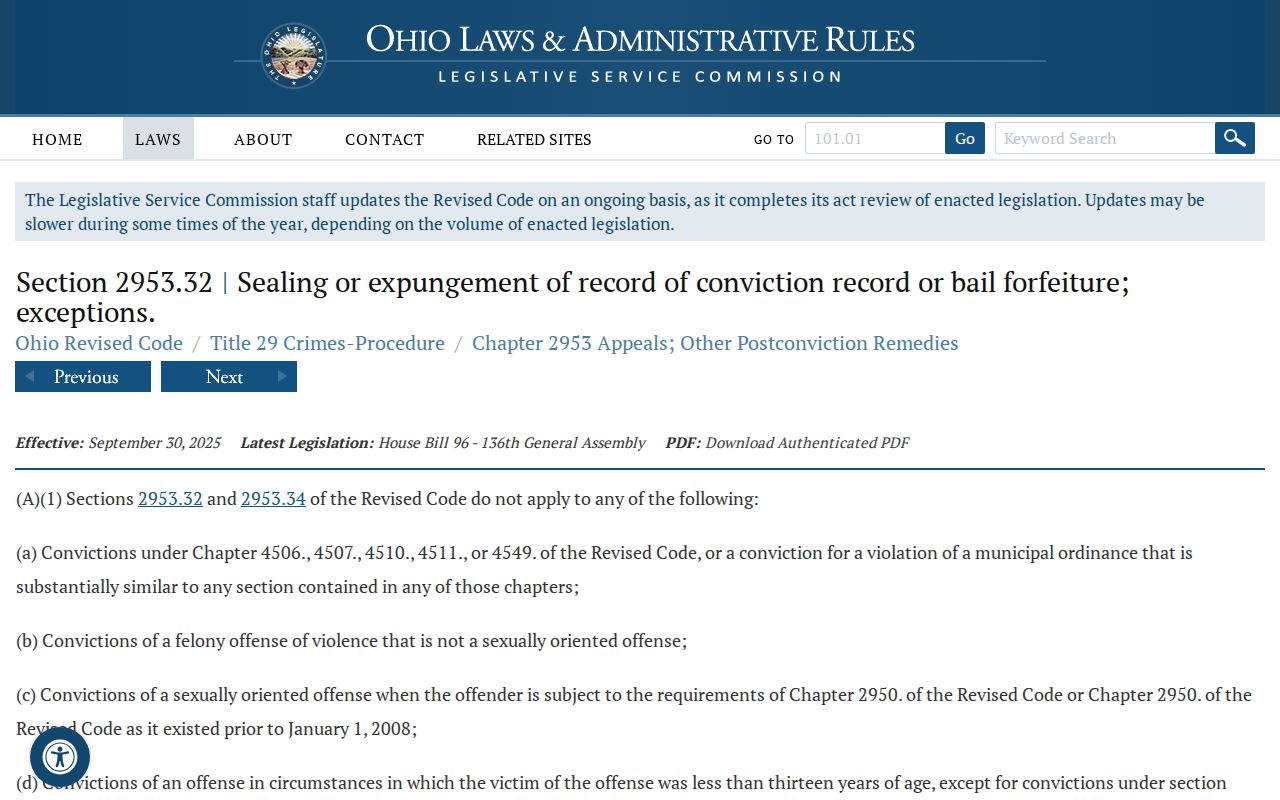
Key access rules: Ohio Sup.R. 44-47 governs court-record access and restriction. R.C. 149.43 supplies the public-records baseline. R.C. 2953.32 sets the adult sealing and expungement procedure.
The state sealing and expungement statute is the controlling legal source for that process.
For a certified copy, go through the clerk. The same applies to any record outside public online access, so use the court that maintains the file.